
This sub-specialty of optometry focuses on the variety of visual disorders that occur as a result of brain injuries, developmental delay or other neurological disorders.
Our eyes are a part of the brain. When someone suffers any type of injury to the brain, whether it is a stroke, car accident or developmental delay, their vision will be adversely affected. For example, common vision symptoms after concussion include double vision, difficulty shifting from looking at things up close (such as reading distance) and then shifting to look at things in the distance and vice versa.
A Neuro-Optometric Evaluation involves in-depth testing which evaluates how well your vision functions and to what degree it is interfering with the overall performance of activities of daily living such as reading, balance and A Neuro-Optometric Evaluation involves in-depth testing which evaluates how well your vision functions and to what degree it is interfering with the overall performance of activities of daily living such as reading, balance and movement, tying shoes, pouring liquids, etc.
THE Neuro-Optometric Evaluation
Is a unique procedure because, in addition to a traditional eye exam, basic binocular visual skills, and eye health, it places the patient into performance testing to determine how the visual process is interacting with other sensory feedback mechanisms. In addition, visual information processing skills are evaluated as they relate to vocational and avocational tasks.
Vision problems that occur after a brain injury can range from being very subtle to dramatic. The more subtle vision disorders can often be the most irritating.
Vision problems that occur after a brain injury can range from being very subtle to dramatic. The more subtle vision disorders can often be the most irritating because they require very specialized testing to detect, and the patient often feels as though no one believes them.
Double Vision is common after stroke or Head Injury

It is vital to the rehabilitation process that double vision is treated as soon as possible; the overall rehabilitation will otherwise be significantly delayed.
Double vision can cause problems with:
Hand writing skills
Anxiety with visual tasks
Reach and grab inaccuracies
Balance and movement difficulties like drifting when walking, stumbling or falling
Driving difficulties with lane positioning, proper speed maintenance, multitasking, navigation
Early Signs
Decreased Performance of Daily Living
People who suffer from Acquired Brain Injury (ABI), Neuro-Developmental or Neuro-Degenerative Disorders commonly have various Functional Vision Problems leading to decreased performance of Activities of Daily Living (ADL’s).
Sometimes when one suffers a head injury their sense of where the middle of their body is can change. This can cause:
Dizziness or nausea
Spatial disorientation
Consistently stays to one side of hallway or
Daily Living
People who suffer from Acquired Brain Injury (ABI), Neuro-Developmental or Neuro-Degenerative Disorders commonly have various Functional Vision Problems leading to decreased performance of Activities of Daily Living (ADL’s).
Vision problems associated with brain injuries can be disabling and increase dependency as well as risk of secondary injury unless treated.
Treatment can involve special therapeutic lenses (worn similar to glasses) or may involve a more in-depth program. Neuro-optometric rehabilitative therapy is a non-invasive process for the rehabilitation of visual, perceptual, and motor disorders. Individualized programs working one on one with a vision therapist, one can learn how to regain control of your vision.
Sometimes when one suffers a head injury their sense of where the middle of their body is can change. This can cause:
Dizziness or nausea
Spatial disorientation
Consistently stays to one side of hallway or room
Bumps into objects when walking
Poor walking or posture: leans back on heels, forward, or to one side when walking, standing, or seated in a chair
Perception of the floor being tilted
Associated neuromotor difficulties with balance, coordination and posture
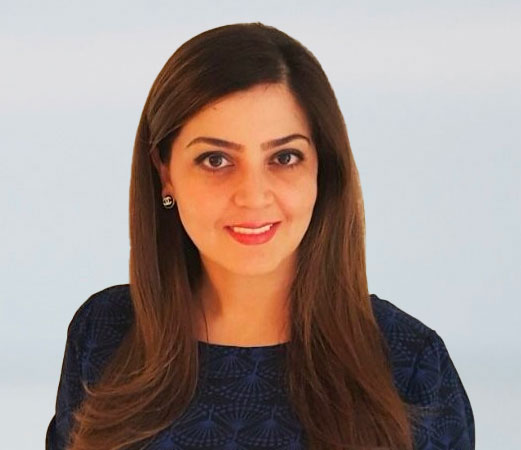
"If you or a loved one has had a head injury, please give our office a call."
Dr. Azadeh Kelly
OD, COEP, FAAO, FCOVD/FOVDR
Dr. Azadeh Kelly
OD, COEP, FAAO, FCOVD/FOVDR